Introduction
Effective pasture monitoring is the keystone of effective animals farming. Amongst the myriad of techniques used to keep healthy and balanced fields, bush hogging stands apart as an important technique. This post will check out why bush hogging is essential for reliable field management, discussing its role in land clearing, grading, leveling, and preserving overall field health.
Bush hogging entails utilizing a bush hog-- basically a rotary lawn mower connected to a tractor-- to reduce disordered plant life. This procedure is not nearly visual appeals; it plays a crucial function in managing the ecosystem of your pasture. With appropriate bush hogging methods, farmers can improve forage development, control weeds, and improve soil health.
In this substantial overview, we will explore numerous facets of bush hogging and just how it incorporates with other techniques like forestry mulching, excavator work, and skid steer operations. Allow's obtain started!
What is Bush Hogging?
Understanding the Basics
Bush gobbling up describes the mechanical mowing of hefty brush and tall grasses making use of specialized devices. The term frequently indicates reducing thick plants that traditional mowers can not manage efficiently. Essentially, it enables effective land clearing without the labor-intensive initiative connected with hands-on methods.
Types of Equipment Made use of in Shrub Hogging
Bush Hogs: These rotary mowers are created to deal with dense brush and thick grass. Tractors: They provide the required power to operate bush hogs. Excavators: In many cases, excavators may be made use of along with bush hogs for more substantial land clearing projects. Skid Steers: These versatile machines can be geared up with various add-ons for various tasks such as grading or leveling.Benefits of Using Shrub Hogs
- Time Efficiency: Minimizes time spent on land clearing contrasted to hand-operated methods. Cost-Effective: Lessens labor costs while making best use of output. Versatility: Can tackle diverse terrains and vegetation types.
Why Bush Hogging is Essential for Effective Field Management
Bush hogging offers multiple features that add substantially to effective pasture administration. By routinely cutting back overgrown locations, you advertise healthier plant growth while subduing weeds that complete for nutrients and water.
Enhancing Forage Growth
Healthy fields prosper when there's competition from unfavorable plant species reduced. When you bush hog:
- You enable sunlight to get to lower-growing grasses. You create an environment where preferable plants can flourish.
By focusing on boosting forage quality with routine bush hogging sessions, farmers can guarantee their animals have access to nourishing food year-round.
Weed Control
No one suches as handling intrusive weeds! By frequently performing bush hogging sessions:
- You can prevent weeds from seeding and spreading out across your pasture. This aggressive method lowers dependence on chemical herbicides.
Less competition suggests better growth problems for your animals's forage-- making weed regulate an important component of effective field management.
Integration with Various other Practices
Bush hogging doesn't operate in isolation; it usually works hand-in-hand with various other vital methods like forestry mulching and numerous dirt work tasks such as grading and leveling.
Forestry Mulching vs. Shrub Hogging
While both approaches are focused on land clearing:
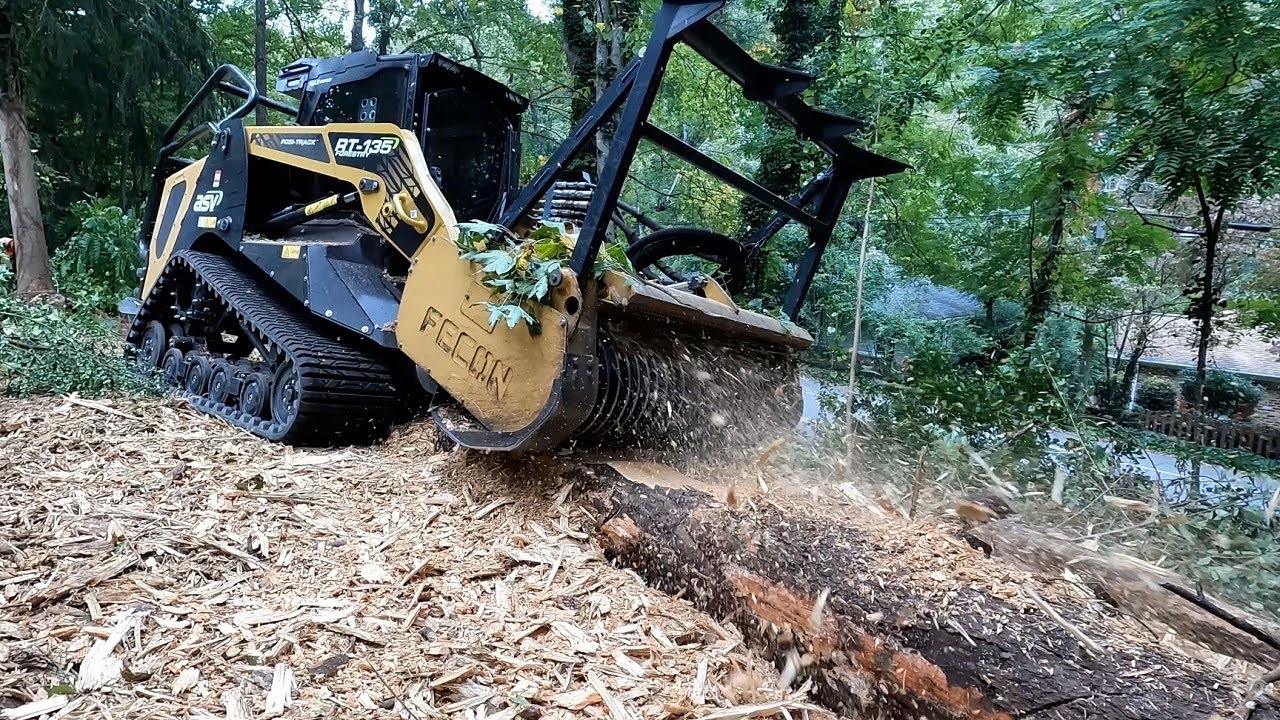
- Forestry Mulching focuses on grinding down trees and big brush into compost that enhances the soil. Bush Hogging, on the various other hand, largely targets turf and smaller greenery types.
Understanding when to make use of each method can maximize efficiency in taking care of fields effectively.
Key Factors to consider When Carrying out Bush Hogging
Timing Matters
When should you execute bush hogging? The timing of your mowing dramatically affects its effectiveness:
- Early spring is excellent for managing early weeds. Late summer helps handle overgrowth prior to autumn collections in.
Choosing the Right Equipment
Selecting appropriate equipment based on the sorts of terrain you're collaborating with is crucial:
For flat areas with dense boscage, a conventional tractor-bush hog configuration works best. On unequal terrain or sloping locations, think about using skid guides equipped with specialized attachments for optimal maneuverability.Dirt Job Basics in Field Management
Bush hogging frequently introduces dirt work activities like grading and leveling:
Grading Techniques
Grading guarantees also distribution of dirt throughout your land:
- Flat surfaces permit better water drainage. Improved availability makes it easier to manage livestock activity throughout pastures.
Leveling Your Land
Leveling involves creating an even surface which:
- Prevents water pooling that could lead to erosion Promotes healthier root systems by enabling better water infiltration
Together with bush hogging efforts, these techniques ensure your pasture remains effective throughout all seasons.
FAQs Concerning Shrub Hogging
What is the distinction in between bush hogging and typical mowing?
Bush hogging is designed particularly for taking on hefty brush and high lawns that would usually choke standard mowers. Conventional mowing functions best on kept lawns or areas with cost-effective land clearing solutions shorter grass.
How often must I carry out bush hogging?
It mostly relies on your details conditions; nonetheless, most specialists suggest a minimum of 2-- 3 times per growing season to preserve healthy and balanced fields effectively.
Can I use my normal mower instead?
While it's appealing to make use of a mower for tiny tasks, regular lawn mowers do not have the power needed for dense vegetative product located in fields requiring bush hogs.

What are some signs that it's time to bush hog my pasture?
Look out for indications such as excessive weed development or locations where desirable yards are being shaded out by taller plants-- these are clear signals it's time!
Is expert aid necessary for large operations?
For larger properties or challenging terrains, working with specialists who focus on forestry mulching or excavation could conserve you time while making certain quality results.
Conclusion
In summary, recognizing "Why Bush Hogging is Necessary for Reliable Pasture Administration" reveals its complex benefits-- from improving forage growth to managing weeds properly-- all while incorporating smoothly with other necessary practices like dirt work. Integrating these approaches makes certain that your fields stay healthy and productive year-round.
Investing time in learning about correct methods not just enhances efficiency however also contributes favorably towards lasting farming methods-- benefiting not only farmers yet our world too! Keep in mind-- healthy pastures lead straight back into thriving animals operations-- a win-win situation indeed!